
Why Gutters Matter More Than You Think
Gutters Are Your Roof's Best Partner
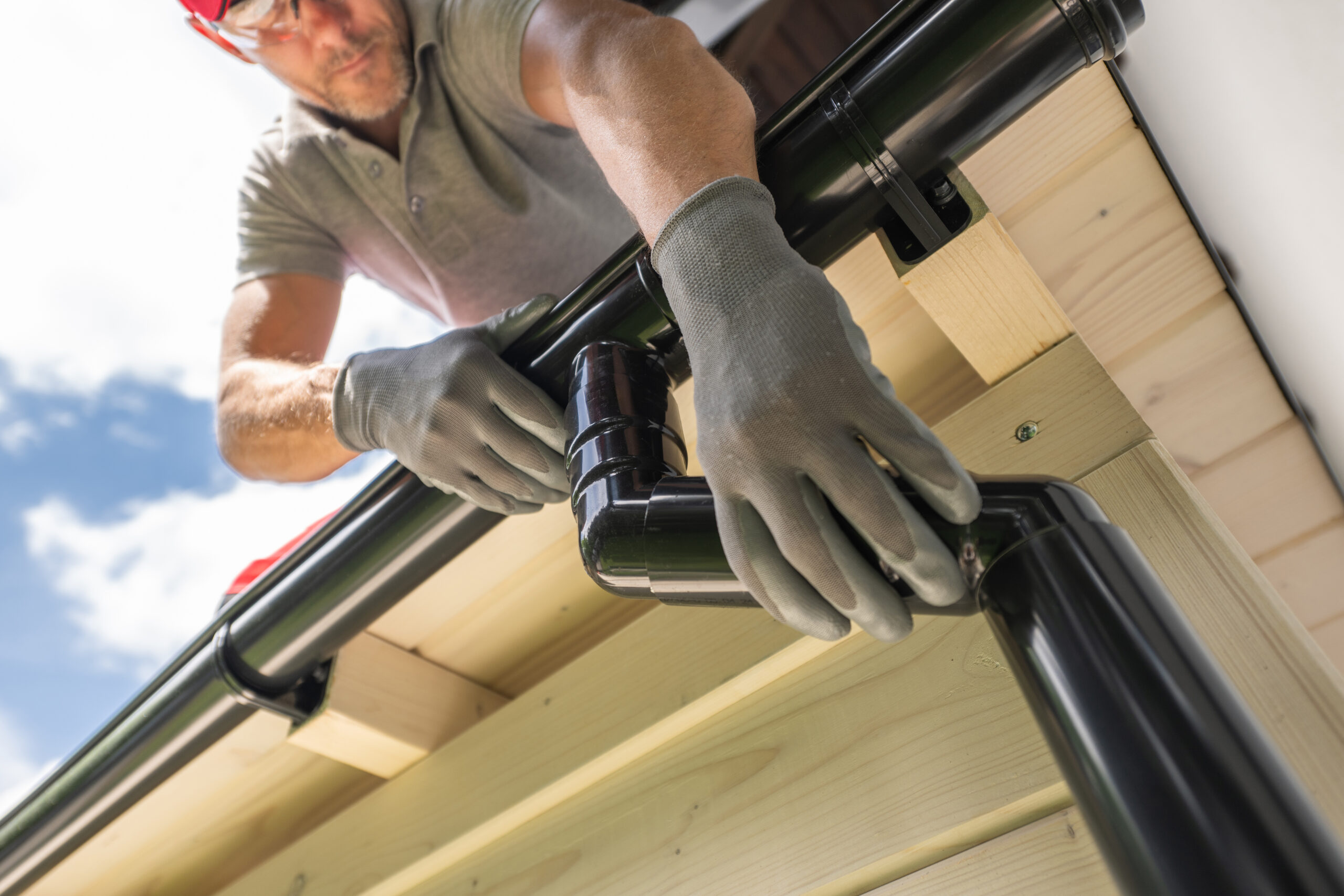
A great roof keeps water out of your home — but without a functioning gutter system, all that runoff has to go somewhere. In western Montana, that "somewhere" is usually your foundation, your landscaping, your siding, or the crawlspace beneath your house. Gutters channel thousands of gallons of rain and snowmelt safely away from the structure, and when they fail, the damage adds up fast.
Foundation cracks, basement flooding, soil erosion, fascia rot, ice dams — these are all problems that trace back to missing or failing gutters. It's one of the least glamorous parts of your home's exterior, but it's also one of the most important. This guide covers how gutters protect your home, how to tell when they need attention, and what goes into a proper gutter installation in Montana's demanding climate.
Get a Free Estimate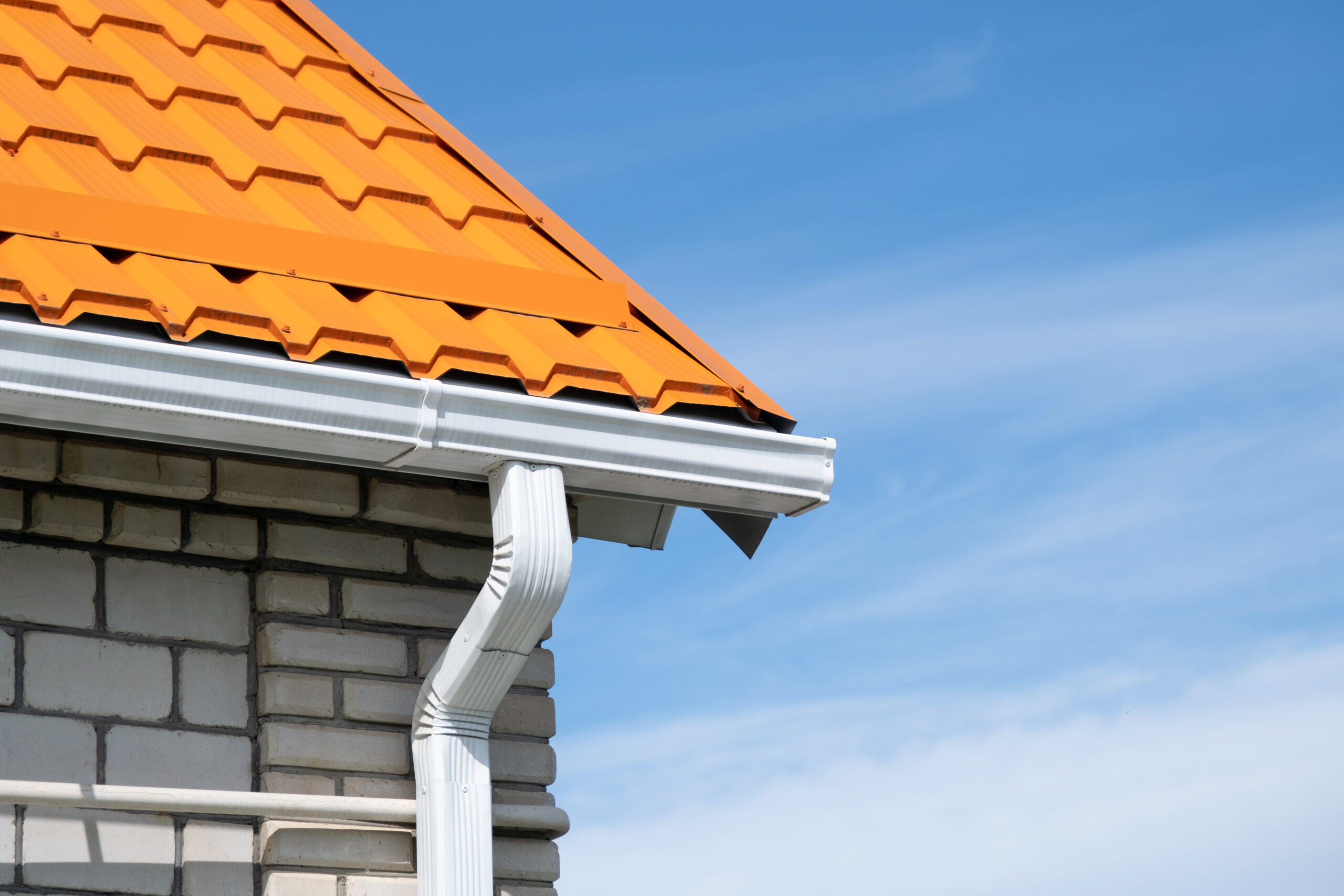
How to Spot Gutter Problems Early
The clearest warning sign is water spilling over the sides during rain instead of flowing to the downspouts. But by the time you notice that, the problem has usually been building for a while. Look for sagging or pulling away from the fascia board — this means the hangers or spikes have loosened, often because of ice weight or rotting wood behind the gutter. Peeling paint or rust stains on the gutters themselves indicate the protective coating has broken down. Standing water or visible debris in the trough means the slope is wrong or the system is clogged.
On the ground, check for erosion channels in the soil directly below the roofline, water stains on your foundation walls, or pooling near your home's perimeter. Inside, look for water marks in the basement or crawlspace, especially after heavy rain or snowmelt. If your home doesn't have gutters at all — which is common on older Montana homes — you may already be dealing with foundation and siding damage without realizing the cause. Learn more about spotting exterior problems before they escalate.
"I cannot thank this company enough for their prompt and professional response to our time sensitive needs. I will always use their service for my home's roofing projects and repairs. Strongly recommend!"
See our profile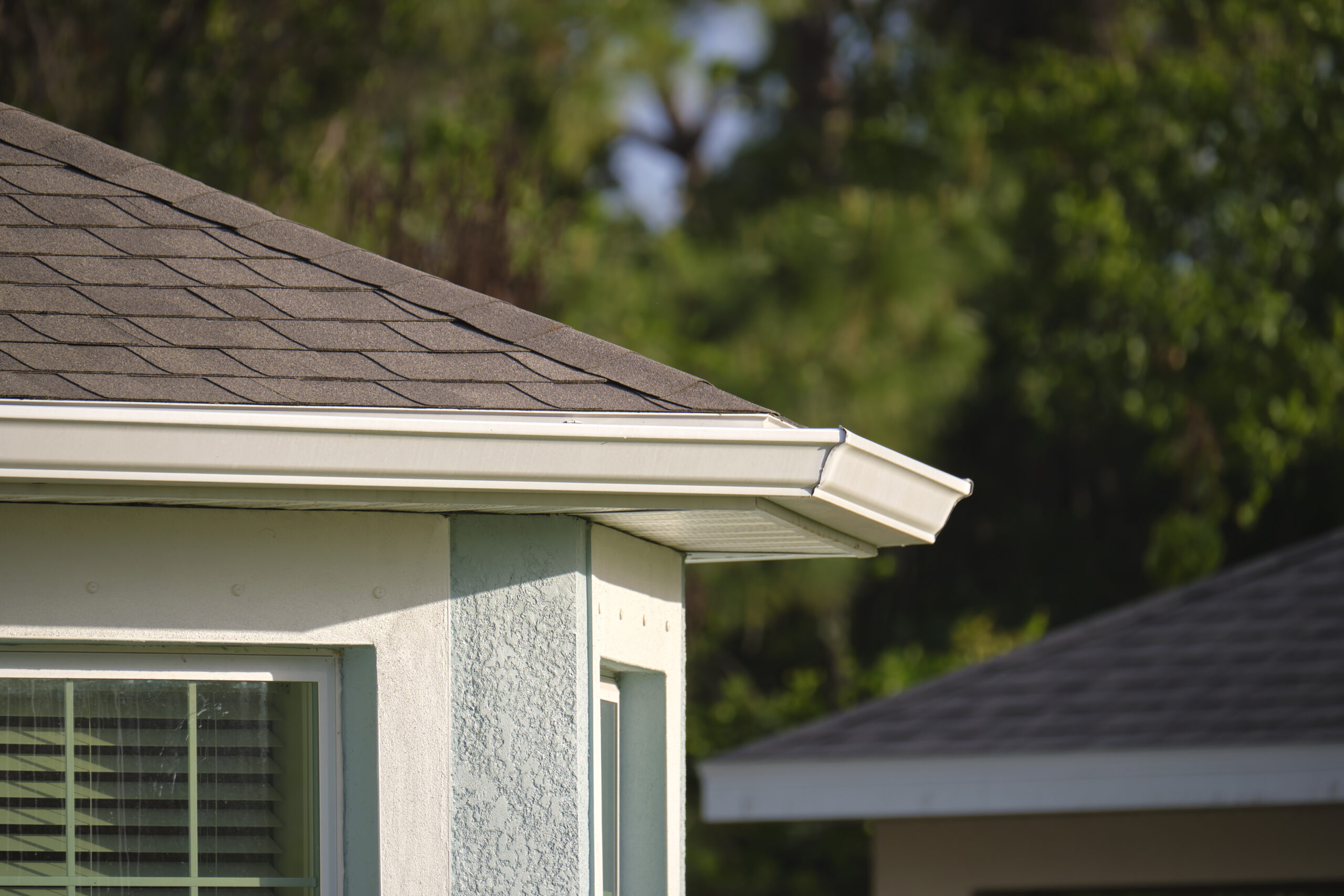
Seamless vs. Sectional — and Which Material Holds Up
Seamless gutters are the gold standard for Montana homes. They're custom-fabricated on-site to the exact measurements of your roofline, which means no joints or seams along the runs where leaks typically develop. Sectional gutters — the kind you buy in pieces at a hardware store — are cheaper upfront but more prone to leaking at every connection point. Over time, those seams collect debris, trap moisture, and eventually fail. For a climate that throws ice, heavy snow, and driving rain at your home, seamless is the better investment.
Aluminum is the most common gutter material and performs well in our region. It's lightweight, rust-resistant, and available in a wide range of colors to match your trim. Steel gutters are heavier and more durable, making them a good choice for homes in areas with heavy tree cover or significant snow loads. Copper gutters offer exceptional longevity and a distinctive look that develops a natural patina over time, though they come at a premium price. Regardless of material, proper sizing matters — a gutter that's too small for your roof's pitch and square footage will overflow during heavy rain, defeating the entire purpose. See the full scope of exterior services we provide.
"For a job that can be a bit painful for a home owner, Western was great to work with, from the initial contact and estimate through the final roof inspection. Everyone I worked with and spoke to from Western Montana Roofing was amazing. Thanks Western!"
See our profileMaintenance That Prevents Expensive Repairs
Even a perfectly installed gutter system needs regular maintenance to do its job. In western Montana, pine needles, cottonwood fluff, and leaf debris can clog gutters and downspouts in a single season. When gutters clog, water backs up under the roofline and can wick into the fascia, soffit, and even the roof deck. In winter, clogged gutters are a primary cause of ice dams — packed debris traps water that freezes, expands, and forces ice up under your shingles.
Clean your gutters at least twice a year: once in late fall after the leaves drop, and again in spring after snowmelt season. Check that downspouts drain at least four to six feet away from your foundation — if they dump water right at the base of your house, you're trading one problem for another. Gutter guards can reduce the frequency of cleaning, but they're not a set-it-and-forget-it solution. Even with guards, an annual inspection is smart to catch hangers that have loosened, seams that have separated, or sections that have shifted out of slope. Read our year-round maintenance guide.
"Super professional experience. Great communication and great quality roofing."
See our profileGutter FAQ
At minimum, twice a year — once in late fall and once in spring. If your property has a lot of pine trees or cottonwoods, you may need to clean them three or four times a year. After a major storm, it's worth checking the downspouts for blockages even if you cleaned recently.
Most residential homes in Montana use 5-inch K-style gutters, which handle moderate to heavy rainfall well. Homes with steeper roofs, larger roof areas, or areas that see heavy snowmelt may benefit from 6-inch gutters. We'll calculate the right size based on your roof pitch, square footage, and local rainfall intensity.
Quality gutter guards significantly reduce the amount of debris that enters your gutters, which means less frequent cleaning. However, no guard system eliminates maintenance entirely — fine debris like pine needles and shingle grit can still accumulate on top of or inside the guards. They're a worthwhile addition, but you should still plan on an annual inspection.
Gutters don't cause ice dams on their own — poor attic insulation and ventilation are the root cause. However, clogged gutters make ice dams significantly worse by trapping water that would otherwise drain away. Keeping gutters clear going into winter is one of the simplest things you can do to reduce ice dam risk.
Absolutely — it's the ideal time. When the old roofing is stripped, the fascia and drip edge are fully exposed, making it easy to install new gutters with proper flashing and alignment. Combining the projects also saves on labor and ensures everything works together as a system. We regularly coordinate roof and gutter work on the same project.
Aluminum gutters typically last 20–30 years with proper maintenance. Steel gutters can last even longer but are more susceptible to rust if the coating is damaged. Copper gutters are the most durable option, often lasting 50 years or more. The biggest factor in gutter lifespan isn't the material itself — it's the quality of the installation and how consistently they're maintained.
I recently used Western Montana Roofing and had Zach inspect the roof on very short notice while being under contract on a home — and I couldn't be more impressed. Zach was knowledgeable, professional, and extremely efficient; he quickly identified issues, explained them clearly, and provided practical recommendations that made the inspection process painless. His expertise and responsiveness were instrumental in moving my home purchase forward with confidence.
Related Services
Metal Roofing
Standing seam and metal panel systems that pair perfectly with seamless gutters. Built to handle Montana's heaviest snow loads.
Learn MoreShingle Roofing
GAF-backed shingle roofing with the industry's strongest warranties. We coordinate roofing and gutter projects for seamless results.
Learn MoreCommercial Roofing
EPDM, TPO, and flat roofing systems for commercial properties. Proper drainage and gutter design are critical for flat and low-slope roofs.
Learn MoreThe Western Montana Roofing Difference
GAF Master Elite® Certified
A distinction held by fewer than 2% of roofers nationwide. We meet the highest standards for installation quality, training, and customer protection.
5-Star Google Rating
Every review tells the same story — clear communication, professional crews, and work that holds up. See what our customers say about us.
Free Inspections & Estimates
We'll assess your gutters, roof, and full exterior at no cost. You get a transparent, written estimate with no pressure and no surprises.
Our Own Trained Crews
We don't use random subcontractors. Every job is completed by our dedicated team of skilled employees who know our quality standards.
Local Missoula Company
We live in the same communities we serve. When we complete a project, our reputation is on the line right here in western Montana.
Winter-Ready Systems
We install gutter systems engineered to handle heavy snow, ice, and freeze-thaw cycling. Proper slope, hanger spacing, and material selection make the difference.
Areas We Serve
Get a Free Gutter Inspection Today
Whether your gutters are sagging, overflowing, or simply missing, Western Montana Roofing can help. We'll inspect your system, identify any issues, and give you a clear, no-obligation estimate for repair or replacement.
Call or Request an Estimate
Give us a call or fill out our online form. We'll set up a time to come out and take a look.
Free Gutter Inspection
We'll examine your gutters, downspouts, fascia, and drainage. You'll get a straightforward assessment and material recommendations.
Enjoy Worry-Free Drainage
Our crew handles every detail from removal through cleanup. Your home gets the water management system it needs.